Simple ways to save on vet bills
Easy ways to keep long term vet costs down.


Easy ways to keep long term vet costs down.
September 29, 2026

Vet bills have a habit of arriving at the worst possible time — usually all at once, and usually for something you didn't see coming. But a good chunk of the biggest, priciest emergencies are also the most preventable ones.
Over the years working with thousands of dogs and cats, I've seen avoidable issues land owners with avoidable bills, again and again. So I want to share the habits and setup choices that make a difference — and it’s not just about the bank balance, but also your pet's quality of life.
One thing I want to touch on before we get into it: this isn't about vets charging too much. Several of my best friends are vets, they work incredibly hard and care so deeply about the pets they look after. Vets are often running small businesses with huge overheads on top of years of specialist training - and unlike human healthcare, there’s no public funding for vet care. So the best thing we can do — for our pets, our vets, and our wallets — is focus on what we can control.
Here's where I'd start.
Many of the biggest, most avoidable vet bills start with something ordinary lying around the house. Puppies and kittens investigate the world by mouth, and given dogs evolved as scavengers, they’re often not exactly fussy about what they consume.
But this exploration can end in emergency: gastric obstructions from swallowed objects, and poisoning from consuming toxic foods, cleaning products or plants are among the most common — and most expensive — reasons young pets end up at the emergency vet. Southern Cross Pet Insurance had nearly 800 claims for foreign body ingestion or poisoning/toxicity in 2025 for cats and dogs under 2 years old, with some costing upwards of $6500 — it’s a significant risk.
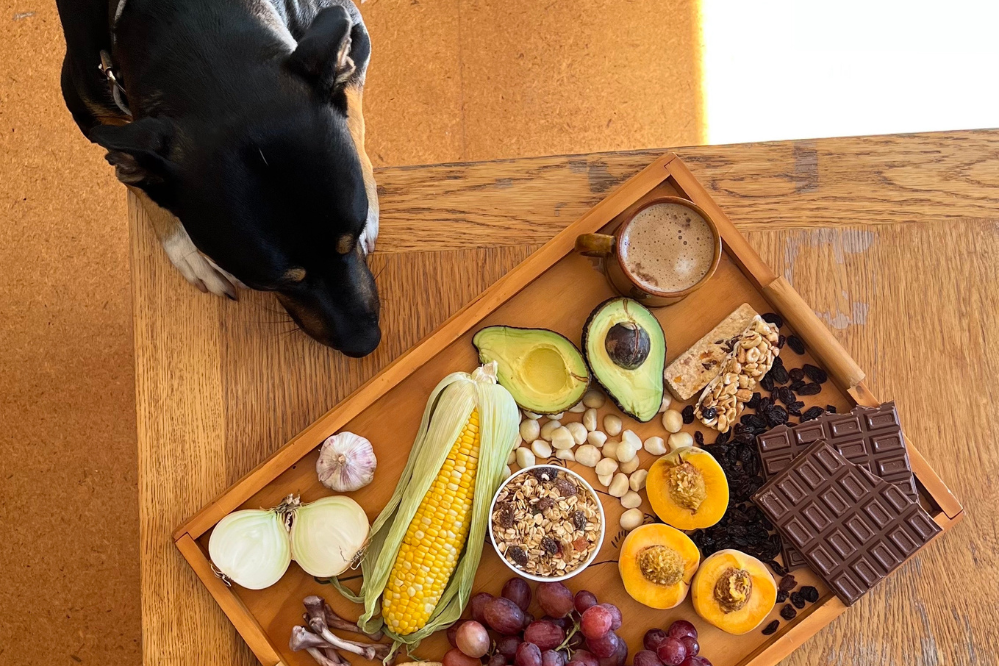
More supervision can be helpful of course, but you can’t have eyes on your pet 24/7. Instead, walk through your home and garden as if you were a curious, low-to-the-ground animal, and look for anything risky within reach:
A thorough pet-proofing audit takes an afternoon and the fixes are usually simple (store things higher, block access to unsafe spaces etc). Changing the environment is much quicker, simpler and easier than changing your pet’s behaviour.
Regular check-ups, vaccinations, and worming catch problems early — while they're still small, cheap, and easy to treat, rather than becoming a crisis. It's a simple way to keep long-term costs down, but only if you actually keep up with it.
These check ups are a lot easier when your pet doesn't dread the vet, so regularly practise body handling at home, keep cats comfortable in the carrier and with car travel, and do some treat-only vet stops.
See my video here on building comfort with vet-style handling at home.
Dental disease is a common and highly preventable health issue in dogs and cats. Left untreated, it leads to pain, infection, and costly procedures. It's not just a mouth problem either: bacteria from dental disease can circulate through the bloodstream and affect your pet's overall health and longevity.
A simple at-home dental routine makes a difference. Use a pet-specific toothpaste (never human toothpaste), and for cats a finger brush is often more practical than a standard brush. Little and often beats one long, stressful session.
Good socialisation and obedience aren't just about having a well-mannered pet — they directly prevent expensive emergency vet visits.
Bite wounds, abscesses, and fight injuries are common (and costly) reasons pets need urgent care. A few things that help reduce the risk:
For cats, some household conflict comes down to competition for resources. Multiple food bowls, water stations, litter trays, beds and perches — spread out, not clustered — go a long way toward reducing tension between cats in the same home. To help prevent fights with neighbourhood cats, shut your cats indoors overnight (a lot of fights occur at dawn and dusk, when cats are most active) or consider using a catio or cat-proof fencing to keep your cat on your property, and other cats out.
Excess weight is a major contributor to a variety of health issues and therefore long-term vet costs.
Feeding to your individual pet's needs (not just the bag guidelines), keeping treats in check, and making sure they get regular, appropriate exercise all help keep your pet at a healthy weight for life. It's one of the simplest, cheapest forms of preventative care there is.
Exercise options for dogs are often obvious, but if you need some ideas for your cat - check out this video.
More exercise isn't always better, especially for young, growing pets. Puppies and kittens have developing joints and growth plates, and too much high-impact exercise — repetitive jumping, long runs on hard surfaces, or overexertion before they're physically ready — can lead to injuries that cause lifelong problems and expensive treatment.
As a general rule, keep exercise for growing pets shorter, gentler, and lower-impact, and build up gradually as they mature. If you're ever unsure what's appropriate for your pet's age and breed, check with your vet. Use mental stimulation to fill in the energy gap while you’re restricting physical activity.
Prevention makes a real difference, but you can't prevent everything. Accidents happen, illnesses happen, and when they do, the last thing you want is to be making treatment decisions based on what you can afford in the moment rather than what's best for your pet.
This is why I consider pet insurance the single most reliable way to manage the cost of your pet's healthcare. I have been with Southern Cross Pet Insurance for years, and have both my dog Awa and cat Zen insured with them. They're NZ owned, I've always felt very well looked after when making a claim, and like me, they support Pet Refuge. Having that cover means vet visits are far less stressful, because the conversation with your vet can stay focused on what's right for your pet. You can compare their plans here.
None of this is about avoiding the vet — it's about setting your pet, and yourself, up so that the vet visits you do have are check-ups and routine care, not emergencies. That's how you keep both your pet and your vet bills healthy (and I know we could all use a bit of that right now!).

Sign up to our newsletter for free tips and dog training advice that will transform your relationship with your dog.