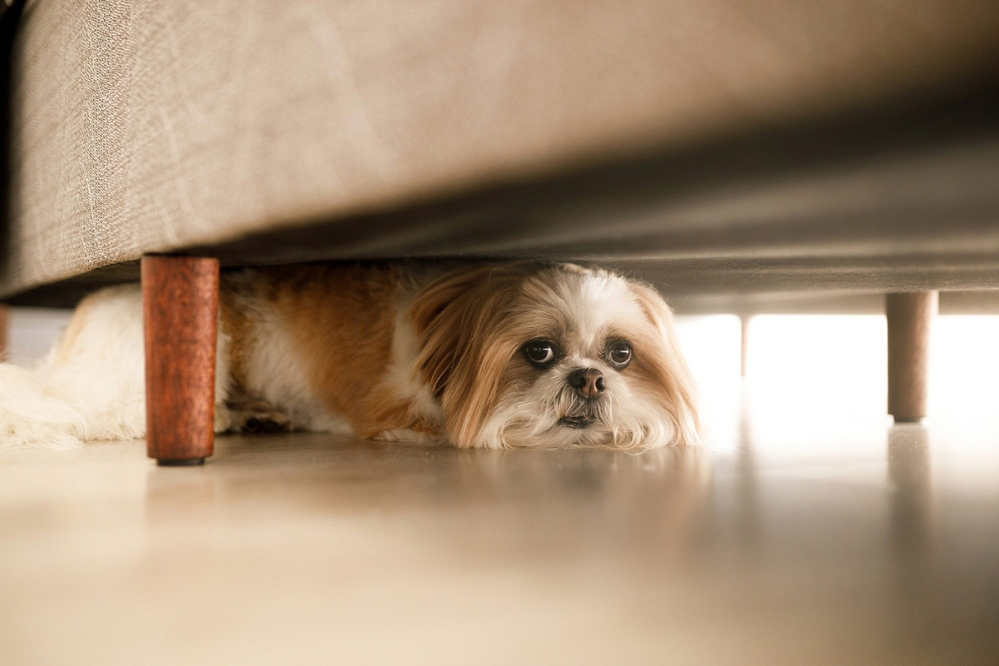
How to train a reactive dog: a step-by-step guide
Why dogs become reactive and how to help them.


Why dogs become reactive and how to help them.
September 28, 2026
By Mark Vette, animal behaviourist, zoologist and founder of Dog Zen
The short answer: To train a reactive dog, you need to know what triggers the reactivity, be honest about the level of risk, and build a strong mentor bond so your dog trusts you to guide them. From there, work through triggers gradually, starting with the least intense in a controlled setting. Learn to read your dog's early warning signs so you can step in before they're too worked up to listen. And where aggression is involved, work with a professional.
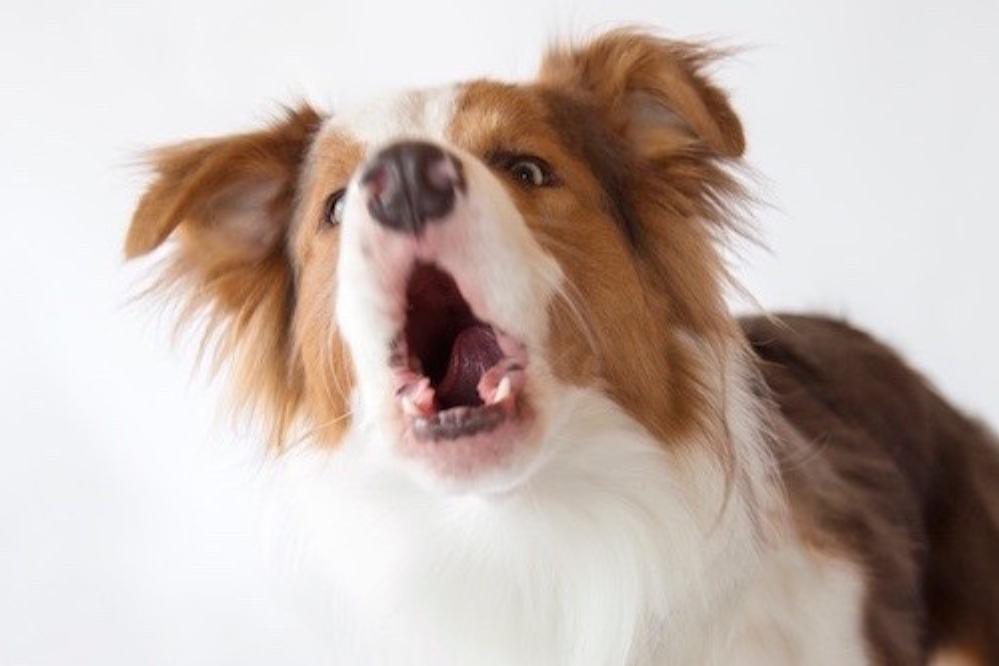
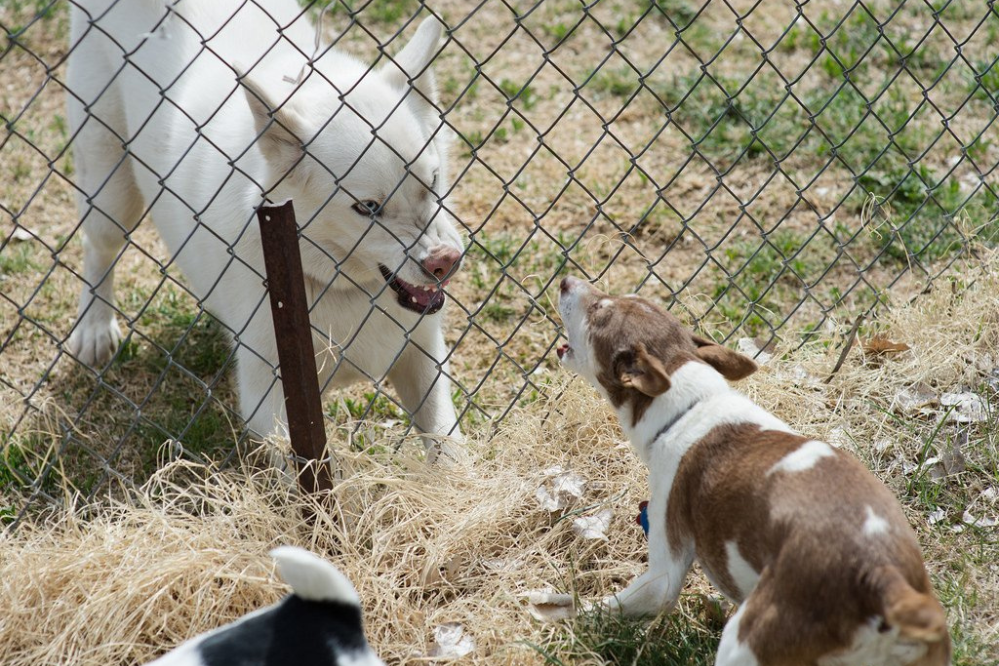
A reactive dog is one who overreacts to everyday things like other dogs, people, bikes or cars. You'll see barking, lunging, growling or hard pulling on the lead. Reactivity isn't exactly the same as aggression, but the two can overlap, and if the underlying cause isn't addressed, a reactive dog can escalate.
In my experience, most reactivity comes down to mal-socialisation, fear, frustration or overexcitement. The usual contributing factors are:
Start by noting exactly what sets your dog off. Is it all dogs, or just big ones? Men in hats? Bikes? Pay attention to the distance at which your dog starts to react too, because that's your starting point for training.
Be honest with yourself here. A dog who barks and lunges from across the park is a different case from a dog who has bitten or tried to bite. If there's any aggression or bite risk, safety comes first. See step 10.
I can't stress this enough. Your dog needs to see you as their mentor, the one who keeps them safe and shows them how to behave. When your dog feels safely guided, they're far more able to stay calm and look to you, rather than feeling they have to take matters into their own paws.
While you're training, initially avoid situations that are likely to trigger a big reaction. Every time your dog rehearses reactive behaviour, it becomes more ingrained. Walk at quieter times, pick routes with plenty of space, and cross the road or turn away early if you need to. Your dog will need exposure to their triggers in order for you to do the necessary training, but we want these exposures to be in a controlled training context to begin with, so you can guide your dog through it successfully.
Before you tackle any triggers, teach the commands you'll rely on in a quiet, non-distracting environment at home:
If a command isn't solid at home, it won't hold up when things get challenging.
A structured meet-and-greet gives your dog a predictable, calm way to meet new people and dogs. By using your “nicely” command as part of this routine, you let your dog know to relax and take your lead. This training, along with how to teach the commands above, is covered in my Virtual Training Schools.
Begin in a controlled training setting, with your dog's mildest trigger at a distance where they can stay relaxed. Click and reward calm behaviour and focus on you, then gradually work up to closer distances and tougher triggers. For example if your dog reacts to people but especially men, start with those they are least reactive to (women, older children) and gradually work up to men.
In the early stages, treat reactivity to dogs by practising with calm, confident dogs who won't react back, and reactivity to people by practising with people you can brief on how to behave (for example, no direct eye contact, crouch or sit to lower body posture, stand side-on, and letting your dog come to them).
If there's any chance your dog could bite, a muzzle keeps everyone safe while you train. But it must be introduced gradually and positively first, pairing it with high-value food until your dog is totally relaxed wearing it. Putting a muzzle on a dog who hasn't been conditioned to it just adds more stress to an already stressful situation.
If you struggle to get your dog into a calm responsive state during training, if your dog has bitten, or you're worried they might, please don't go it alone. Aggression needs careful handling, and a professional can assess your dog and put together a safe, tailored plan. Our Virtual Training Schools are the best place to start, you’ll get personalised support and advice from me and my team.

Reading your dog's body language early is one of the biggest factors in success. I call this the Orient–Alert–Target hierarchy.
There's a window between your dog orienting toward something and going into full target behaviour. That window is where your intervention will be effective. Leave it too late, and your dog's adrenaline and distraction will be too high for you to get through.
The same principle applies whatever your dog's trigger is, whether that's other dogs, people, bikes or cars. Learning to read your dog's early signs, and having strong situational awareness so you can spot triggers first, makes all the difference.
And as always, lots of clicking and rewarding with high-value food whenever your dog is relaxed and focused on you.
If you're out and about and see people or other dogs you can't coordinate a meet-and-greet with, try what I call the Look technique:
Keep practising this regularly. It teaches your dog that seeing people and other dogs without reacting predicts good things, and it encourages pro-social behaviour.
When I'm treating fear-based behaviours, a calm, confident, sociable dog can be one of my best helpers, as long as your dog gets on really well with them and trusts them.
Mimicry is a big part of how dogs learn. I use the confident dog's calm, relaxed demeanour and good social skills as a role model for a fearful dog. As an extra bonus, when a social facilitator dog is relaxed and in a learning state, they give off the right pheromones to help a more fearful or stressed dog adjust.
Here's how it works: Let the confident dog do a meet-and-greet with the new person first. This shows your dog that the person is friendly and that they can relax. Then take your dog in for their own meet-and-greet using the routine above. The confident dog's calm lead will help your dog feel more confident too.
Reactivity, and especially aggression, needs careful, consistent work. The steps above give you a foundation, but the real progress comes from structured, guided training. That's exactly why we built Dog Zen's virtual training schools, to walk you through it step by step, at your dog's pace:
Learn more about our interactive Virtual Training Schools here.
Many reactive dogs improve a great deal with consistent training, though some will always need a bit of management around their triggers. It depends on the cause, how long the behaviour has been going on, and how consistently you train. If you’re unsure, reach out and give us an overview on what you’re working with. Contact us here.
Every dog is different. Think weeks to months of steady work rather than a quick fix. Go at your dog's pace, because pushing too fast can set you back.
No. Reactivity is an overreaction to a trigger, such as barking or lunging. Aggression involves a real risk of harm. But reactivity can escalate into aggression, which is why I always recommend addressing it early.
If there's any risk your dog could bite, yes. Just make sure you introduce the muzzle gradually and positively first, so it doesn't add stress.
If your dog has bitten, tried to bite, or you feel unsafe or out of your depth, get professional help. We can help, our Virtual Training Schools are the best place to start, and come with personalised support from me and my training team. Learn more about my Virtual Training Schools here.
Mark Vette is a globally recognised animal behaviourist, zoologist and the trainer behind Dog Zen's Virtual Training Schools. He brings together a unique combination of academic study and 40 years of applied clinical animal behaviour consulting and treatment through his behaviour clinic. He's New Zealand's go-to media commentator on all things animal, and is well known for his popular TV series Purina Pound Pups to Dog Stars.
Sign up to our newsletter for free tips and dog training advice that will transform your relationship with your dog.