Crate rest without the stress - helping your pet stay sane
Advice to help your pet stay calm and content, without compromising healing.


Advice to help your pet stay calm and content, without compromising healing.
February 16, 2026
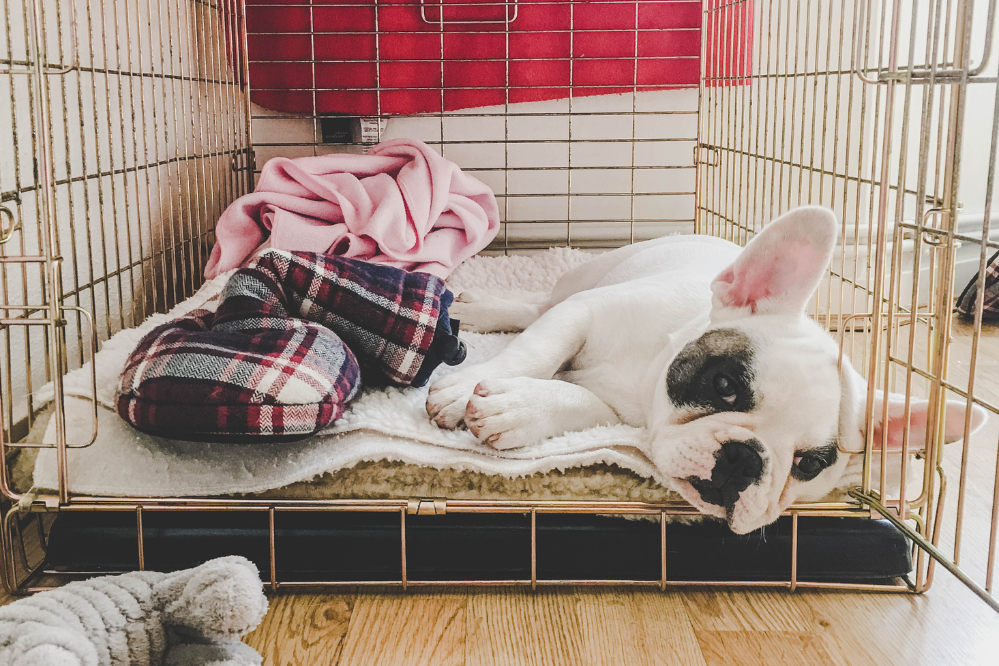
Crate rest is often essential for recovery after an injury or surgery — but that doesn’t make it easy. For active dogs (and especially energetic puppies), suddenly being confined can feel confusing, frustrating, even distressing. Many pet parents tell me, “Mark, keeping him still is harder than the surgery itself!”
The good news? With the right preparation, enrichment, and gentle emotional support, you can help your pet stay calm, enriched and connected — without jeopardising their healing.
Crate rest is challenging because it goes against your dog’s very nature. Most dogs — especially puppies and high-energy breeds — are wired for movement. They explore the house, patrol the yard, do regular “family check-ins,” and burn energy in a hundred tiny ways throughout the day. They rely on their daily walks and play sessions to burn off steam, so they can be settled and well-behaved the rest of the time.
Take all of that away, and suddenly they’re bursting with pent-up energy and nowhere to put it. For many dogs, this can result in frustration, distress, mischievous behaviour or excessive barking and whining.
But it’s also incredibly tough on you. Watching your pet frustrated, restless, or in pain can be heartbreaking. You want to comfort them and make it all better — yet you’re also the one responsible for keeping them still, controlled, and safe. Making sure they heal properly is the number one priority, but it’s not always easy!
That tension can leave owners feeling guilty, overwhelmed or like they’re constantly “policing” their own dog.
It’s especially hard with energetic young dogs who can become very destructive if not getting a normal level of physical activity.
So - how can we reduce the stress this recovery period causes for our dogs?
It probably goes without saying, but ensuring your pet has the best treatment and post-op care will go a LONG way in reducing their stress and pain. So let’s delve into this before we move onto behavioural tactics!
When your pet needs surgery or faces a long recovery, the last thing you want is to be forced into making decisions based on cost rather than care.
This is why I recommend having pet insurance in place BEFORE anything goes wrong - it gives you the freedom to choose the treatment plan that truly serves your pet - the right specialists, the right diagnostics, the right post-operative support — without the financial stress weighing on every choice. It also means you can ensure they receive optimal pain management and follow-up care, helping them stay comfortable and calm throughout recovery.
I choose Southern Cross Pet Insurance for my own dog and cat, and it gives me huge peace of mind to know that they’ll be able to get the best care should they ever need it. I highly recommend you explore their range of plans, it may be more affordable than you realise.
If you’ve got a heads-up that surgery or crate rest is coming, a bit of prep work will go a LONG way in helping your dog feel more at ease.
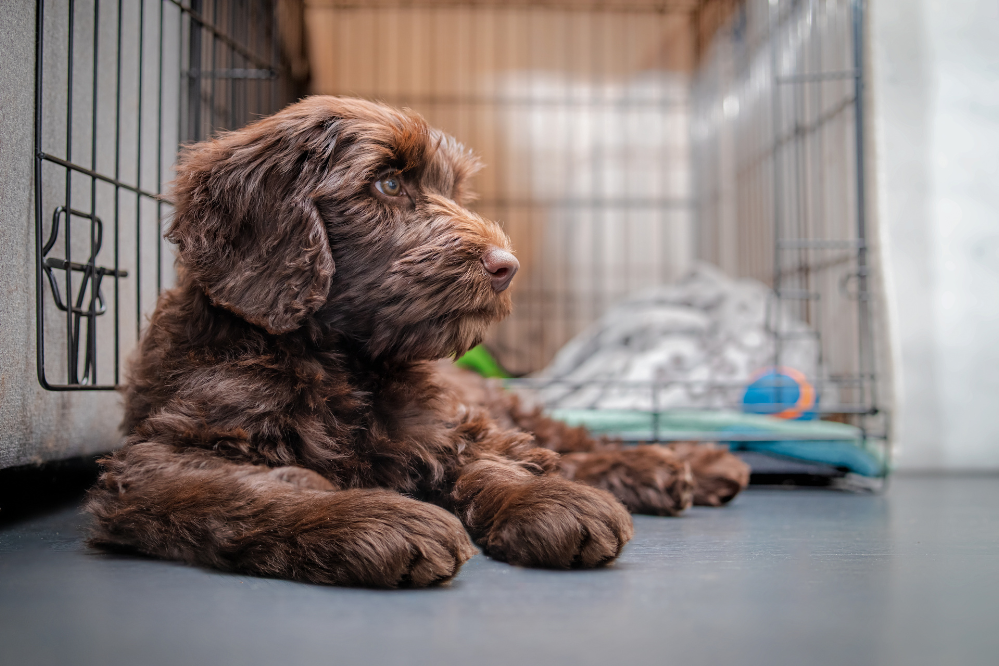
We want to make sure your dog is really relaxed in the crate, so they’re not stressed by the containment or separation from you (on top of everything else!).
If your dog already sleeps in a crate or has been previously crate trained, this should be a breeze. If not, you’ll need to work through the steps more slowly and gently to help your dog desensitise to the crate happily.
Food is one of the fastest ways to build strong emotional conditioning.
We want your dog to feel in control, not trapped. The crate should be a safe, predictable space.
Once your dog is showing confidence with the crate:
Build from a few minutes to longer, calm relaxation sessions.
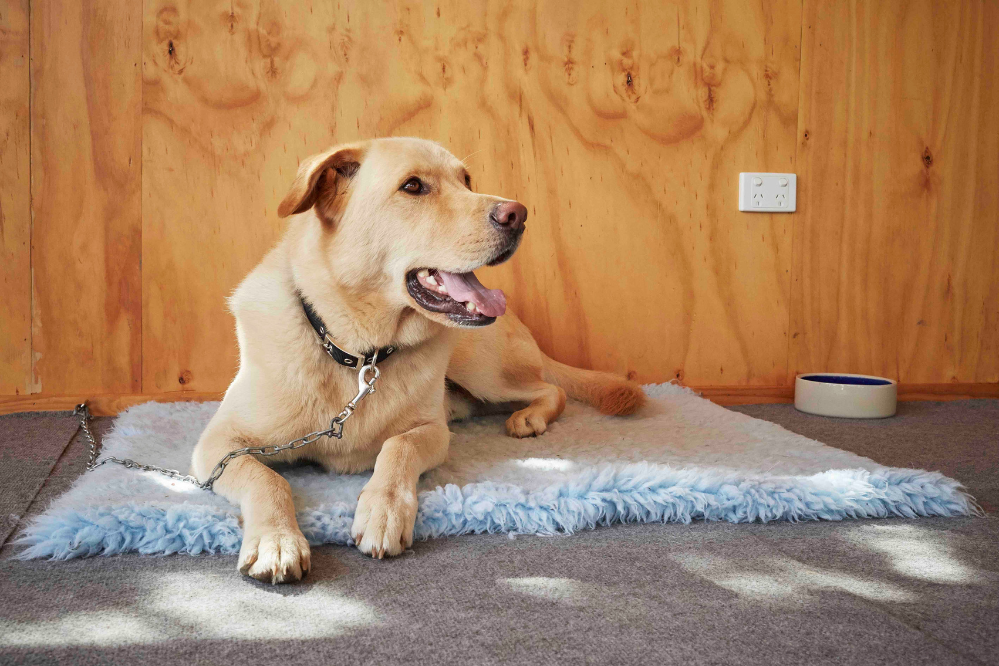
A clip station is simply a lead or light chain clipped to the wall (or secured around a very heavy piece of furniture) with a dog mat or bed beside it. The lead should not be too long, only 0.5 - 1m. Like the crate, it helps recreate the concept of a “den” - a safe, contained space. It provides physical control that allows you to settle your dog and prevent excess movement during the recovery, but without the full containment of a crate.
I suggest setting up a few different clip stations around your home for your dog’s recovery period, allowing your dog to have closer contact with you rather than always being alone in their crate. Pop one beside the couch where you usually sit, in your home office, outside where you do gardening, or anywhere else in the home that you spend a lot of time.
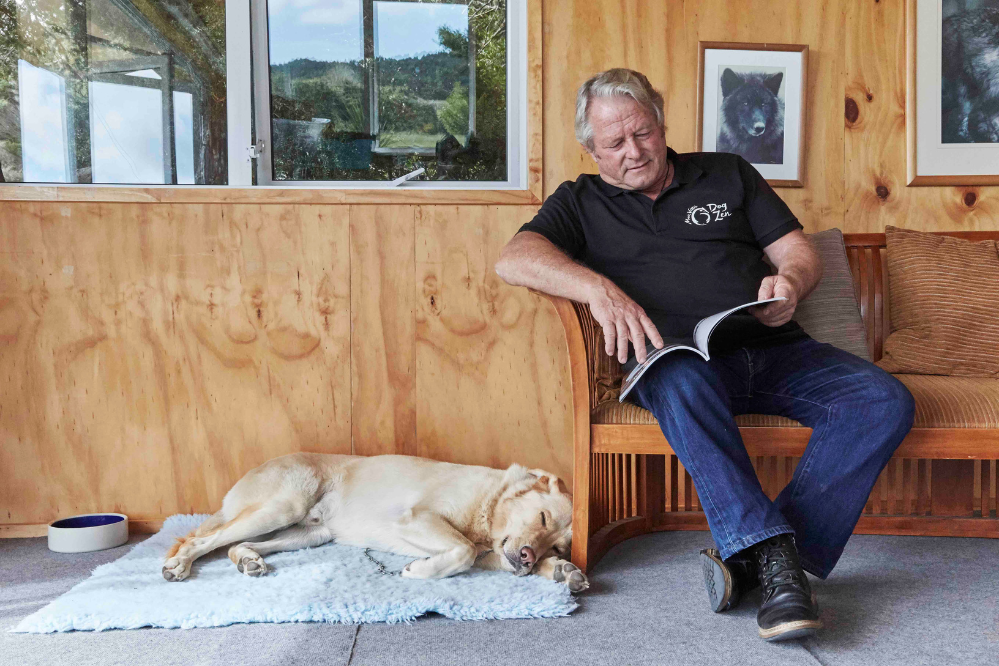
Extra physical contact may be soothing for your dog in their recovery. Sit beside their crate or clip station while you work, offer slow strokes, massage-like pats, or let them curl up between your legs. Keep things calm, and do also remember to sprinkle in short separation sessions so you don’t accidentally create over dependence during their recovery period.
And finally, perhaps the most important tip for keeping everyone sane during this time!
The brain burns a considerable amount of energy, so mental enrichment is your best friend here. A tired brain often leads to a calm body.
Always check with your vet about exactly how restricted your dog needs to be. Some pets must remain almost completely still for an initial period, while others can do short on-lead toileting or even gentle training. If you are allowed to do some gentle on-lead work, that will be helpful in getting through this time happily.
Here are some ways to drain their brain without moving their body too much:
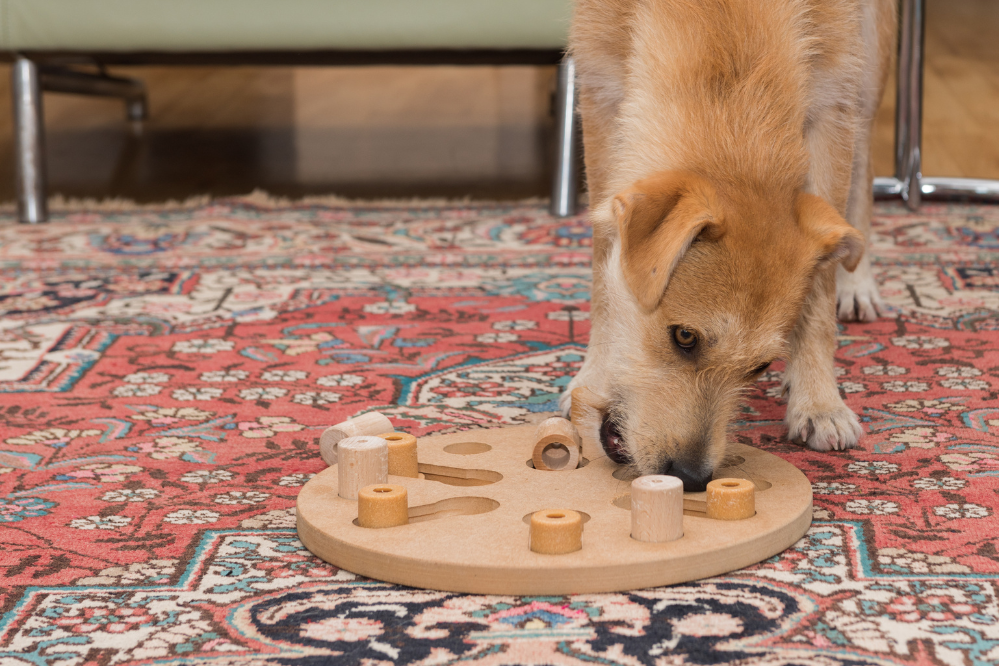
It’s not uncommon for dogs on crate rest to become vocal or restless — barking, whining, or even trying to chew their way out of frustration. If this happens, try not to respond in a way that accidentally reinforces the behaviour (for example, opening the crate or giving attention while they’re barking). Instead, wait for a moment of quiet calm before interacting, and gently redirect them toward appropriate outlets. Offering high-value chew toys, frozen lickies, or scent-based enrichment can help satisfy their need to “do something” without encouraging destructive behaviours.
Crate rest isn’t easy, but it is temporary. Soon it will be a distant memory and you’ll be back to all your favourite activities!
This content is created in partnership with Southern Cross Pet Insurance.
Sign up to our newsletter for free tips and dog training advice that will transform your relationship with your dog.